





Speech and Language Therapy
Speech and language therapy sessions are conducted by highly qualified and specialized speech and language therapists. These sessions focus on the assessment, diagnosis, and treatment of disorders related to:
Language (verbal and non-verbal)
Speech
Communication
Voice
Feeding and swallowing
Speech and language therapy is a scientific discipline dedicated to the study, research, and application of evidence-based knowledge concerning human communication—including voice, speech, language (spoken and written), and non-verbal communication—as well as disorders affecting these functions. It also addresses swallowing disorders involving the muscles and structures of the mouth and pharynx.
Speech and language therapists provide specialized services to individuals with the following conditions:
Developmental speech disorders
Developmental language disorders
Learning difficulties
Feeding and swallowing disorders (dysphagia)
Voice disorders
Craniofacial abnormalities
Conditions following head and neck surgery (e.g., laryngectomy)
Neurogenic disorders and syndromes
Stroke-related communication disorders, including aphasia
Traumatic brain injuries


Special Education Support
Special education sessions are conducted by highly qualified special education teachers who develop individualized educational programs tailored to each student's specific learning needs and personal pace of development. These programs are designed to address learning difficulties while building on each child's unique strengths and abilities. To achieve this, we use specialized educational materials and teaching resources.
The main objectives of the program are to enhance children's cognitive abilities—including memory, logical thinking, and concentration—and to systematically address learning difficulties by developing essential academic skills such as writing, spelling, reading, and numeracy.
Special education support is primarily aimed at children with:
Specific Learning Difficulties: Dyslexia, dyscalculia, dysorthographia, dysgraphia, and dyspraxia
Intellectual Disabilities
Speech and Language Disorders
Sensory Impairments: Visual and hearing difficulties
Attention and Concentration Difficulties: Such as Attention Deficit Hyperactivity Disorder (ADHD)
Developmental Disorders: Such as Autism Spectrum Disorder (ASD) or Asperger's syndrome
Behavioral Difficulties


Homework Support and Study Groups
Our homework support sessions are conducted by experienced teachers who have a thorough understanding of the curriculum objectives for each grade level and use modern educational tools and teaching resources.
Our homework support program focuses on the daily preparation and completion of primary school assignments, helping children develop effective study habits and gain confidence in their learning abilities.
During group study sessions, students review, understand, and prepare the material required for the following school day. Each study group consists of 4 to 7 children, creating a supportive and collaborative learning environment.
Through these sessions, children learn to manage their time effectively, work together, develop social skills, and gradually adopt study techniques that encourage independent learning.
Throughout each session, the teacher explains concepts, provides guidance, and supports each child in overcoming any difficulties they may encounter. At the end of the session, the teacher reviews the material to ensure that the child has fully understood it.
If a child shows signs of learning difficulties, the teacher promptly communicates with the special education specialist to arrange an appropriate assessment.
Finally, our teachers maintain daily communication with parents, keeping them informed about their child's academic progress and any challenges they may be experiencing.


Counselling Services
Child Counselling: Child counseling is an essential form of support that helps children navigate various challenges, such as anxiety, difficulties in social relationships, and interpersonal conflicts. The primary goal is to foster emotional resilience and emotional intelligence, enabling children to develop the self-regulation skills necessary for their psychological well-being and personal growth.
Adolescent Counselling: Counseling for adolescents focuses on issues related to identity development, managing relationships, peer pressure, and academic and emotional challenges. The main objective is to strengthen self-esteem and develop effective coping strategies, empowering adolescents to navigate these challenges with greater confidence and emotional resilience.
Parent Counselling: Parent counseling plays a vital role in strengthening family relationships and promoting children's emotional and psychological well-being. It equips parents with the necessary skills and strategies to navigate the challenges of parenting while providing a safe and supportive environment in which they can openly express their concerns and emotions. Through this process, parent-child relationships are strengthened, contributing to the development of a healthy, nurturing, and supportive family environment.


Assessment and Therapy Tools
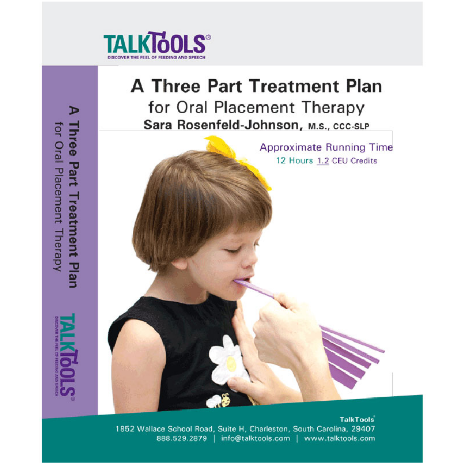
A Three-Part Treatment Plan for Oral Placement Therapy (OPT)
Oral Placement Therapy (OPT) is a therapeutic technique that combines:
Auditory stimulation
Visual stimulation
Tactile stimulation of the oral structures
to improve speech intelligibility.
OPT is a tactile-proprioceptive technique that complements traditional speech therapy, which primarily relies on auditory and visual methods. Children with motor and/or sensory difficulties may benefit from tactile and proprioceptive input, as speech production involves both tactile awareness and proprioceptive feedback.
OPT is used to improve articulatory awareness, articulator placement and movement (including dissociation, grading, and direction of movement), stability, and muscle memory.
These skills are essential for the development of clearer, more intelligible speech.
Oral Placement Therapy (OPT) is a therapeutic technique that combines:
Auditory stimulation
Visual stimulation
Tactile stimulation of the oral structures
to improve speech intelligibility.
OPT is a tactile-proprioceptive technique that complements traditional speech therapy, which primarily relies on auditory and visual methods. Children with motor and/or sensory difficulties may benefit from tactile and proprioceptive input, as speech production involves both tactile awareness and proprioceptive feedback.
OPT is used to improve articulatory awareness, articulator placement and movement (including dissociation, grading, and direction of movement), stability, and muscle memory. These skills are essential for the development of clearer, more intelligible speech.
PECS – Picture exchange communication system
The Picture Exchange Communication System (PECS) is an Augmentative and Alternative Communication (AAC) system developed in the United States in 1985. The PECS teaching protocol uses specific prompting and reinforcement techniques designed to encourage independent and functional communication. PECS consists of six phases. It begins by teaching individuals to exchange a picture of a desired object or activity with a "communication partner," who immediately responds to the exchange by fulfilling the request. As individuals progress through the program, they learn to discriminate between pictures and combine them to form sentences. In the more advanced phases, individuals are taught to use adjectives, answer questions, and make comments. The primary goal of PECS is to develop functional communication skills. Research has shown that some individuals who use PECS also develop spoken language, while others may transition to a Speech-Generating Device (SGD) as an alternative means of communication.
Learning is the journey, not the destination
© 2026. All rights reserved.

Address
Argous 69, 21100, Nafplio
Phone Number
+30 27520 99179 | +30 694 99 26826